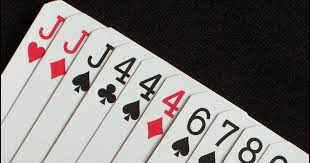
Gin Rummy is a classic two-player Freecreditmalaysia99 card game that combines skill, strategy, and a little bit of luck. It has been a favorite in households and social gatherings for generations, and its easy-to-learn rules and quick-paced action make it a popular choice for players of all ages. In this article, we’ll break down the basic rules of Gin Rummy, as well as provide you with some winning strategies that will help you gain an edge over your opponents.
The Basics of Gin Rummy
Gin Rummy is played with a standard 52-card deck. The objective of the game is to form a winning hand by either knocking or going Gin before your opponent. But before we dive into the strategies, let’s first understand the rules and gameplay.
Setting Up the Game
Players: Gin Rummy is typically played between two players.
Cards: A standard 52-card deck is used, with cards ranked from Ace (low) to King (high). Suits (hearts, diamonds, clubs, and spades) are irrelevant in the game, except when making melds (combinations of cards).
Objective: The goal is to form combinations of sets (three or four cards of the same rank) or runs (three or more consecutive cards of the same suit). A hand is considered “closed” when all cards are part of sets or runs, with no leftover unmatched cards.
Dealing the Cards
Each player is dealt 10 cards (in some variations, it might be 7 cards).
The remaining deck is placed face down in the middle as the stock pile, with the top card flipped face up to begin the discard pile.
Game Play: The Turn Sequence
In Gin Rummy, players take turns drawing and discarding cards. The game continues until a player either knocks or goes Gin, signaling that they have achieved a valid hand.
Drawing a Card: On a player’s turn, they begin by drawing a card. They can either draw the top card from the stock pile or pick the top card from the discard pile.
Melding: After drawing, a player can start forming their hand by creating sets and runs. If a player already has a hand of sets and runs, they may choose to hold onto their cards until the right moment.
Discarding: The turn ends when the player discards one card to the discard pile. The goal is to leave as few unmatched cards (also known as deadwood) as possible.
Knocking and Going Gin
The game ends when one player knocks or goes Gin:
Knocking: A player can knock when their hand has 10 or fewer points of deadwood. To knock, the player discards one card and reveals their hand. If the opponent has fewer points of deadwood, they win the round. If the knocker has the lower deadwood total, they win the round.
Going Gin: If a player’s hand is completely formed by sets and runs, they can declare “Gin.” Going Gin gives the player an extra bonus, and the opponent cannot lay off any of their deadwood cards on the Gin player’s hand.
Scoring
Knocking: The knocker wins the round if their total deadwood is lower than their opponent’s. The knocker scores the difference in deadwood points.
Gin: Going Gin scores a higher reward. The player receives a bonus of 25 points plus the difference in deadwood points between them and their opponent.
Undercut: If the opponent has fewer deadwood points than the knocker (even after the knock), the opponent scores the difference plus a bonus (usually 25 points).
Winning the Game
The game is typically played to 100 points, although players can adjust this based on how long they want the game to last. Points are accumulated over several rounds, with each round consisting of the actions described above. The first player to reach the agreed-upon score wins the game.
Winning Strategies for Gin Rummy
While Gin Rummy relies on a mix of luck and skill, implementing the right strategies can significantly improve your chances of winning. Here are some key strategies to help you master the game:
- Discard High Cards Early
In Gin Rummy, high cards (such as Kings, Queens, and Jacks) are harder to pair up into sets or runs. Therefore, you should try to discard these cards early in the game to reduce your deadwood. If you’re holding a King and a 5, for example, it’s better to discard the King early rather than holding onto it in the hopes of getting a matching set. - Keep Track of the Discards
One of the best ways to gain an advantage in Gin Rummy is to keep a close eye on your opponent’s discards. This will give you a sense of what they are trying to build and what cards are safe to discard. For example, if your opponent keeps discarding cards of a certain rank, it’s likely that they are trying to form a run or set with those cards. Avoid discarding those same cards if possible. - Don’t Be Afraid to Knock Early
Many players think they need to wait until they have a near-perfect hand to knock. However, knocking early when you have a low total of deadwood can sometimes give you an advantage. By knocking, you put pressure on your opponent to improve their hand quickly. If you have 10 or fewer deadwood points, don’t hesitate to knock, especially if your opponent is still holding onto high cards. - Use the Discard Pile to Your Advantage
The discard pile can be a useful tool for completing your sets or runs. If you notice your opponent has discarded a card that is useful to you, consider picking it up. However, be cautious, as your opponent will be able to see the card you’ve drawn. If you pick up a card that they may need, they could adjust their strategy to counteract your move. - Focus on Flexibility in Your Hand
Building flexibility into your hand is key to both knocking and going Gin. For instance, try not to lock yourself into a particular set or run too early. Keep your options open and adjust based on the cards you draw. If you’re holding two 5s and a 7, for example, keep an eye out for a 6 or a 4 to complete a run. Flexibility allows you to adapt and maximize your chances of going Gin. - Aim for “Going Gin” When Possible
Going Gin provides a substantial bonus and is often the best outcome in a round. To achieve this, try to work on forming complete sets and runs from the beginning. The more cards you draw that fit into these combinations, the closer you’ll get to going Gin. The key here is to avoid discarding cards that might disrupt the completion of your hand—stick with the plan until you’re able to go Gin. - Manage Your Opponent’s Deadwood
As you near the end of a round, keep track of your opponent’s deadwood points. If you see they are accumulating high cards that are hard to meld, try to play more conservatively, possibly knocking earlier to prevent them from having a chance to reduce their deadwood. Conversely, if your opponent has a hand with low deadwood, it might be worth taking extra turns to complete your sets and go Gin.
Conclusion
Gin Rummy is an exciting card game that offers plenty of room for strategy, tactics, and skill. Whether you’re knocking early to reduce your deadwood or carefully watching your opponent’s moves to gain an advantage, mastering the rules and strategies will help you become a formidable player.
 Site Title